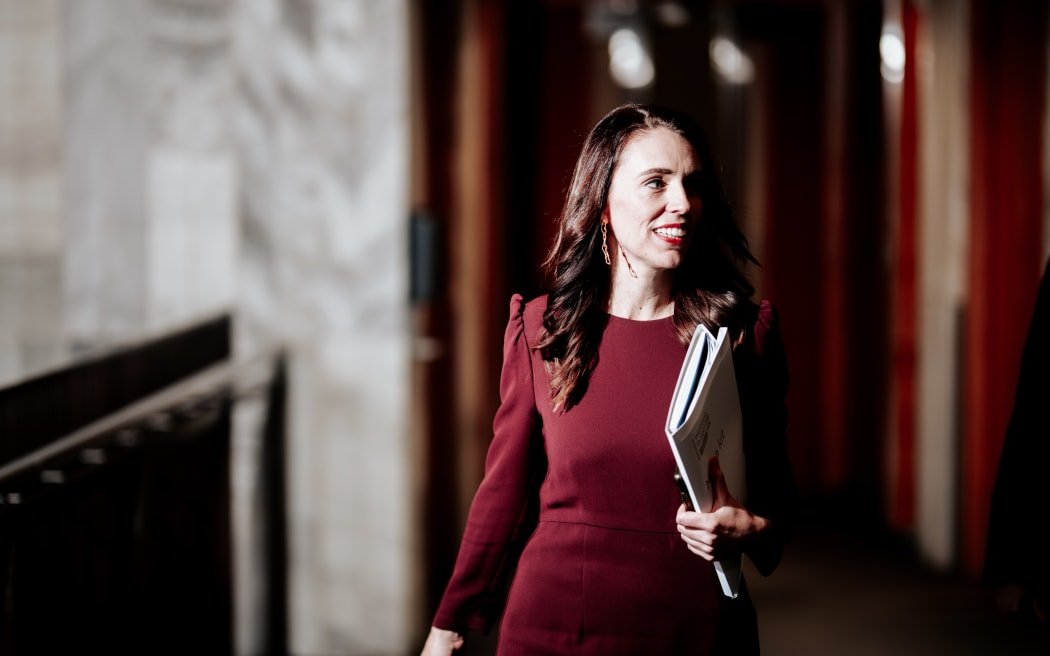
Jacinda Ardern’s has announced her resignation ahead of this year’s election. So how will New Zealand’s 40th Prime Minister be remembered? What’s her legacy amidst years of crisis?
Read MoreThe figure is from the Treasury forecasts. It shows the May (Budget) and December (Half Year) tracks of GDP.
The two most comprehensive forecasts of the New Zealand economy are by the Reserve Bank and the Treasury. They are especially important because they inform monetary and fiscal policy. What do they say?
Read MoreTwo years into the pandemic, 2022 has become our true ‘Year of Covid’ and as we crawl towards Christmas, the disease isn’t letting go of us… or the government
Read MoreIs it a new way of thinking about the economy or an old way, that was problematic in the past, dressed up to appear novel?
Read MoreMore competition is often proposed as a means of moderating monopolies and oligopolies. It may be better to reduce competition for the electricity industry meeting our climate change needs.
Read MoreIs leaving inflation fighting to the Reserve Bank all we can do?
Read MoreFinancial activity is too often gambling. Cryptocurrencies are the latest example
Read MoreRecently, I have often been asked whether we (New Zealand or the World) are experiencing a stagflation. There is no meaningful ‘yes’ or ‘no’ answer. You have to define the term before deciding what is going on.
Read MoreGary Gerstle’s The Rise and Fall of the Neoliberal Order: America and the World in the Free Market Era is a frustrating book. It is an impressive sweeping history of American politics and economic policy from the New Deal in the 1930s to today, predicting that we are coming to the end of the ‘neoliberal’ era. However, Gerstle never defines what he means by ‘neoliberal’ other than with examples through the narrative, so it is difficult to be able to identify what is coming to an end and when.
Read MoreThe 2022 mid-terms may be remembered as the moment when Americans finally breathed out, exhaling the Trump years. So what’s going on?
Read MoreThe rule by British politicians Liz Truss and Kwasi Kwarteng was bound to be short. It was a Rogernomics strategy. The minority Bolsheviks seized power to implement a wonky neoliberal economic regime. But there was no agreement in a larger (which also meant more with ability) and more fractious Tory caucus than was evident in NZ Labour’s in the 1980s. The minuscule Tory party aside, there was no enthusiasm for the approach among the public. So no surprises that they did not last long; the surprise was that they were felled so early, not by politics but by financial markets.
Read MoreGiven that it is increasingly difficult to get affordable earthquake insurance, we may have to radically revise the system.
Read More‘There is little doubt we face a fully-fledged economic crisis, beyond the current cost of living crisis.’ (Matthew Hooton, New Zealand Herald , 30 September 2022)
Read MoreWhere does New Zealand fit into China’s plans to link better to the world?
Read MoreThe evidence from the past is that the neoliberal crash-through approach proposed by the new Truss-Kwarteng British government does not lift economic performance.
Read MoreThe proposal to organise fresh water, storm water and waste water into four entities reflects the contempt that New Zealand’s central government has for local communities.
Read MoreThe carbon, energy and dollar cycles do not integrate well.
Read MoreThe aim of a decent liberal Russia is still there; its achievement is likely to be a long way off.
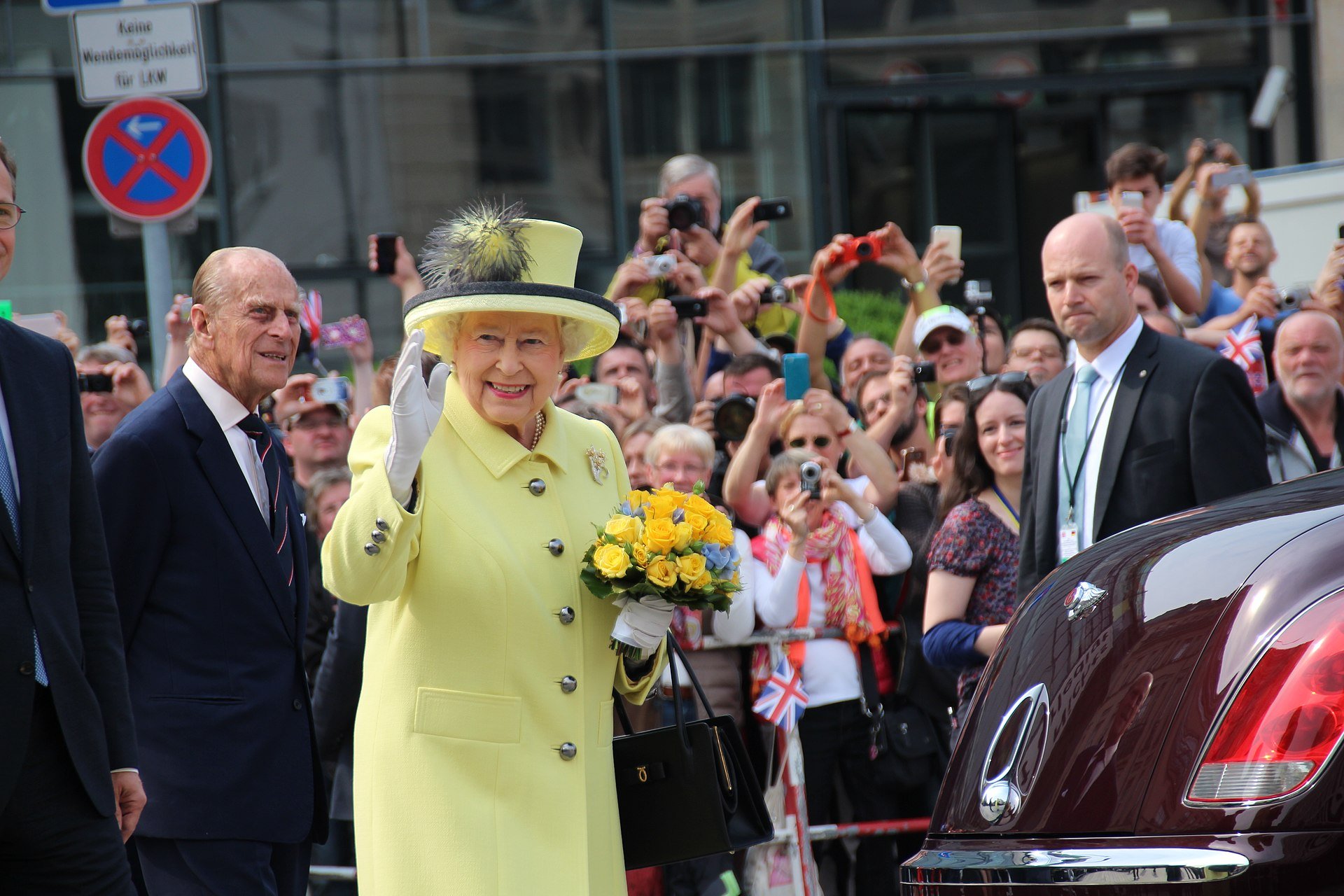
Read MoreUpon the death of Queen Elizabeth II we can reflect on a life devoted to principles that are no longe popular, but which we need to learn to value again
Read MoreWe should try to to evaluate our social policies systematically. But big data has limitations.
Read More