
Law
Featured
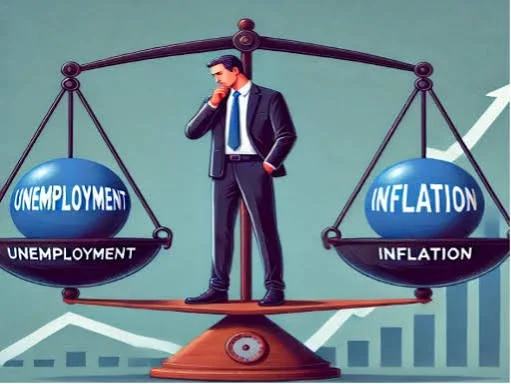












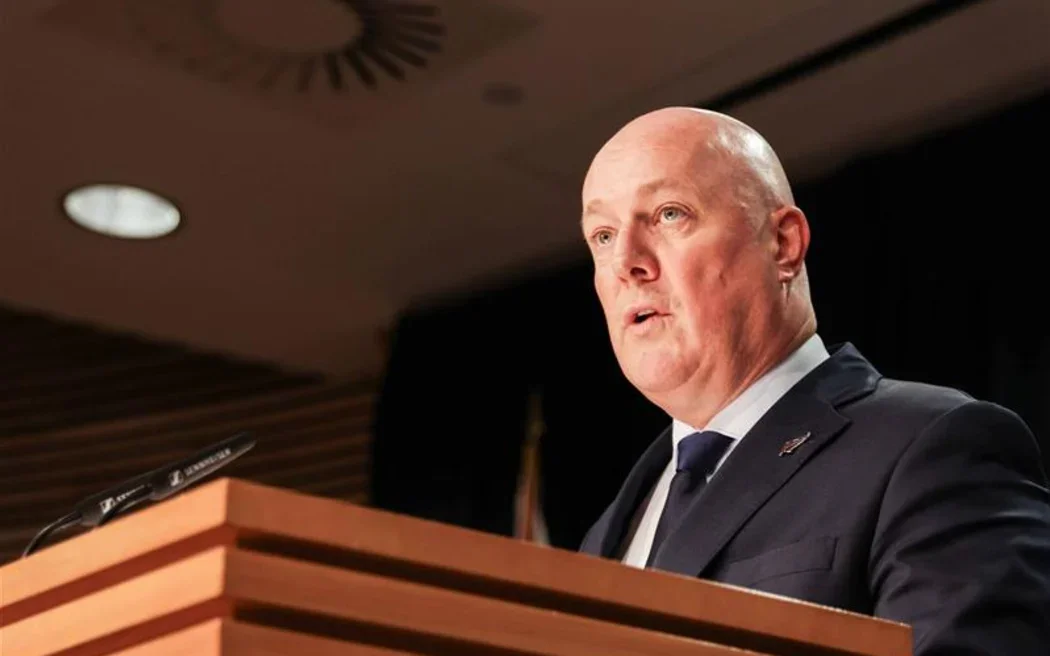
At the 2026 election, unemployment is likely to be higher and inflation lower than it was in 2023.
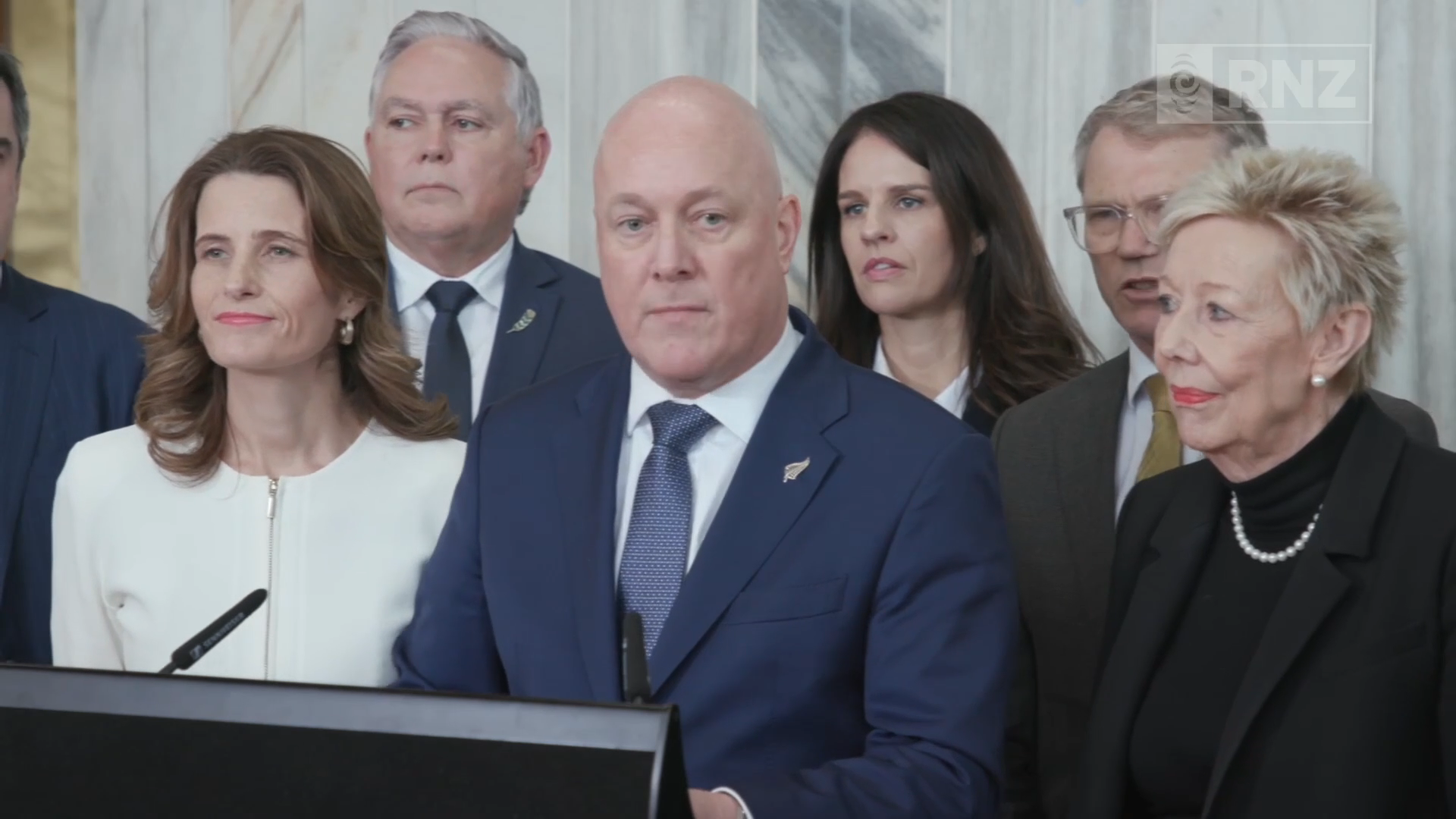
Parties who change leader in election year always lose. But does that mean National’s decision to keep Christopher Luxon as leader the right one?
Productivity increases do not always generate increases in profits. We do not know when the economic boom generated by AI will be over, but the overstretched industry is increasingly looking shaky.
Stuart Nash crossed a few lines when he insulted Napier MP Katie Nimon. But a key misstep was putting in peril the critical women’s vote which could swing this election, as it has in previous years.
There is insufficient support for neoliberal economic policies so political parties of the hard right are adopting populist causes.
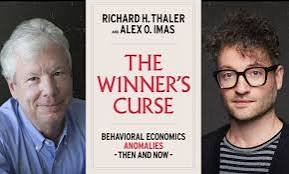
Paul Krugman described behavioural economics as the most important innovation in the economics discipline for half a century.
There is a case that the government agency which has contributed most to New Zealand’s economic growth is the Ministry of Foreign Affairs and Trade.
The Minister of Health is one of the toughest jobs in Cabinet. In comparison, being Prime Minister or Minister of Finance is easy. Recovering from an emergency operation, unable to move with all the tubes stuck in me, stomach in turmoil, unable to sleep, I thought the Prime Minister had asked me to be Minster of Health. My maiden speech.
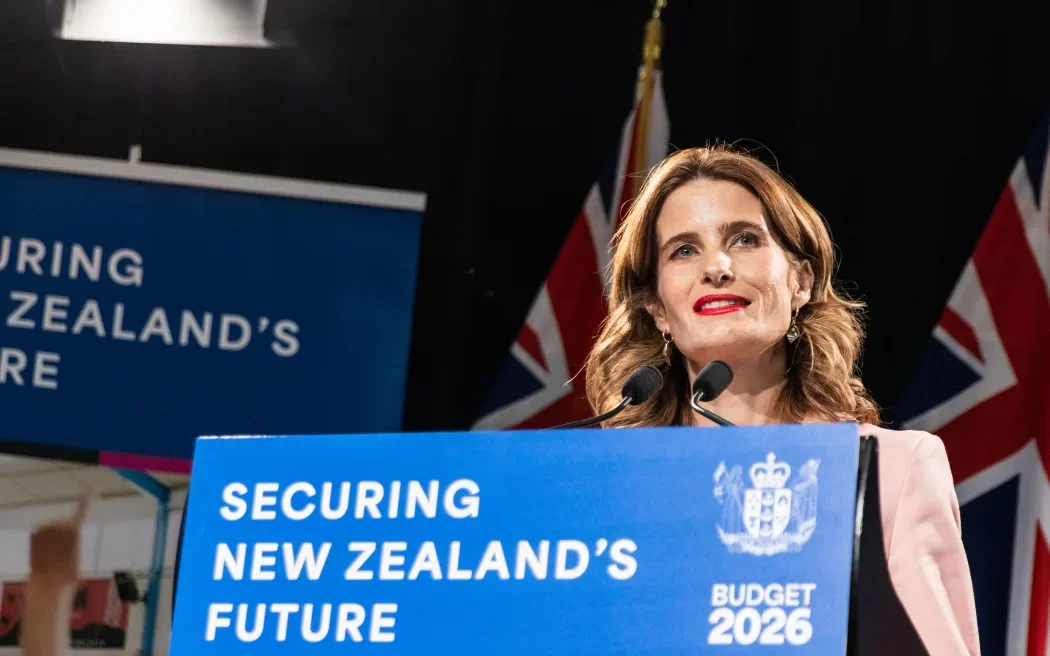
Nicola Willis has leaned into National Party traditions but without the ruthless rationing of Ruth Richardson or Jenny Shipley. Still, she’s placed her bet for the election that people will vote for better days to come
Aside from its Orwellian doublespeak, the proposed legislation to change how we count New Zealand requires an expert review.
The 2026 World Happiness Report challenges us to think differently about economics and about New Zealand.
The turmoil in the world economy from Trump’s attack on Iran will delay New Zealand’s economic recovery.
Andrew Sorkin’s new book, 1929: The Greatest Crash in Wall Street History sheds light on how financial markets work.
Christopher Luxon has spent two days misspeaking his way through the nuanced world of foreign affairs, but in doing so stumbled upon a key question surrounding the bombings of Iran - what limits are there when the powerful will go to ‘any’ lengths?
The run up to the election is the silly season; is there any point in taking most of the tax proposals seriously?